Luxury Institute Real Estate: Insights, Benefits, and Real-World Applications in the High-End Property Market
The Luxury Institute Real Estate refers to the specialized research, advisory, and consulting practices developed by the Luxury Institute, a global authority on the high-end consumer market. For more than two decades, the Luxury Institute has been a trusted source of insights into the behavior, preferences, and investment patterns of affluent individuals.
When applied to the real estate sector, the Luxury Institute’s expertise translates into an in-depth understanding of how ultra-high-net-worth individuals (UHNWIs) and high-net-worth individuals (HNWIs) engage with property markets. This includes insights into luxury property demand, customer experience, digital transformation in high-end property buying, and the evolving definition of luxury itself.
By combining data-driven intelligence with real-world case studies, Luxury Institute Real Estate serves as a compass for developers, brokers, and investors navigating the competitive global luxury housing market.
The Core Philosophy of Luxury Institute Real Estate
The philosophy behind Luxury Institute Real Estate is rooted in the concept of human-centered luxury. Instead of defining luxury merely by price or exclusivity, the institute emphasizes emotional connection, trust, and long-term value. For real estate, this means that a luxury property is not just about square footage or location; it’s about creating an exceptional living experience that integrates architecture, design, technology, and sustainability.
Through extensive surveys and studies, the institute has consistently shown that wealthy buyers seek authenticity and meaning in their investments. They want homes that reflect their lifestyle aspirations, offer comfort, and seamlessly integrate advanced technology. This deeper understanding helps real estate professionals tailor offerings that resonate with today’s luxury clientele.
Benefits of Luxury Institute Real Estate Insights
The practical benefits of applying Luxury Institute Real Estate knowledge are wide-ranging.
- Consumer-Centric Design: Developers and architects can design properties based on verified consumer behavior insights rather than assumptions.
- Enhanced Marketing Strategies: Real estate marketers benefit from understanding how affluent buyers perceive value, exclusivity, and trust.
- Risk Mitigation: Data-driven decision-making reduces costly missteps in property development or acquisitions.
- Global Reach: Since the institute studies international trends, developers can anticipate cross-border investment flows.
- Long-Term Value Creation: Insights help investors identify which properties will maintain or grow in prestige and financial worth.
These benefits empower stakeholders in luxury real estate to make informed, future-proof decisions in a competitive industry.
Real-World Examples of Luxury Institute Real Estate Applications
Example 1: Smart Luxury Residences

One significant application of Luxury Institute Real Estate insights is in smart residential development. Developers now integrate advanced technologies such as AI-driven climate control, automated lighting, and voice-activated systems because research shows HNWIs prioritize convenience and sustainability.
These residences aren’t just about luxury finishes; they’re about creating seamless experiences where technology adapts to human needs. The institute’s findings guide developers to design homes that align with modern affluent lifestyles.
Example 2: Sustainable Luxury Villas

Sustainability is no longer a niche demand but a core expectation in luxury real estate. Luxury Institute research highlights that wealthy buyers increasingly seek properties with green certifications, renewable energy integration, and eco-conscious materials.
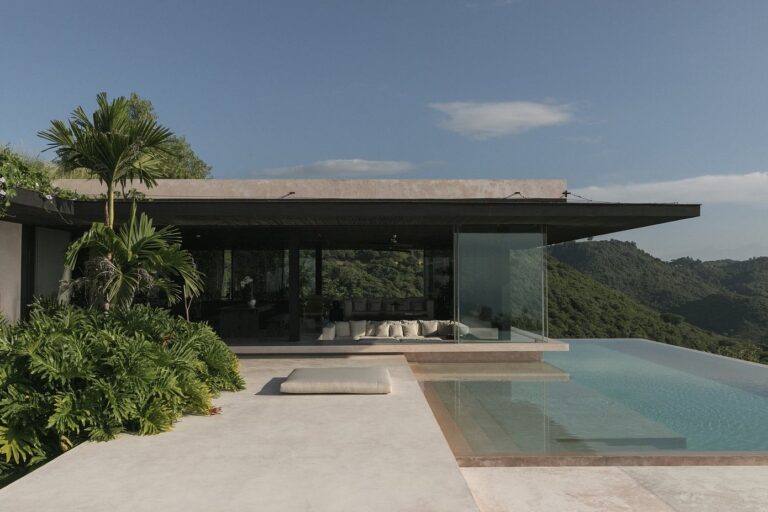
Developers of luxury villas in markets like Bali, Costa Rica, and the Mediterranean have adopted these principles, creating environmentally responsible homes that also serve as long-term investments. This approach directly responds to insights from the institute’s studies on consumer values.
Example 3: Branded Residences by Luxury Hotels

The trend of branded residential properties affiliated with prestigious hotel brands has grown rapidly due to insights from the Luxury Institute. Buyers associate these residences with exceptional service quality, exclusivity, and trust in the brand’s reputation.
For example, luxury hotel chains like Four Seasons, Ritz-Carlton, and Aman have launched residential projects that merge hotel-style services with private ownership. This trend exists because affluent buyers value consistency, personalized service, and brand prestige factors identified through Luxury Institute research.
Example 4: High-End Mixed-Use Developments

Another application of Luxury Institute insights can be seen in mixed-use luxury developments. These projects combine residential towers with luxury retail, fine dining, and cultural venues.
Research shows that UHNWIs prefer environments where they can live, shop, and engage in leisure activities without leaving the community. Developers use institute-driven intelligence to design spaces that blend convenience, exclusivity, and cultural enrichment.
Example 5: Digital Platforms for Luxury Property Transactions
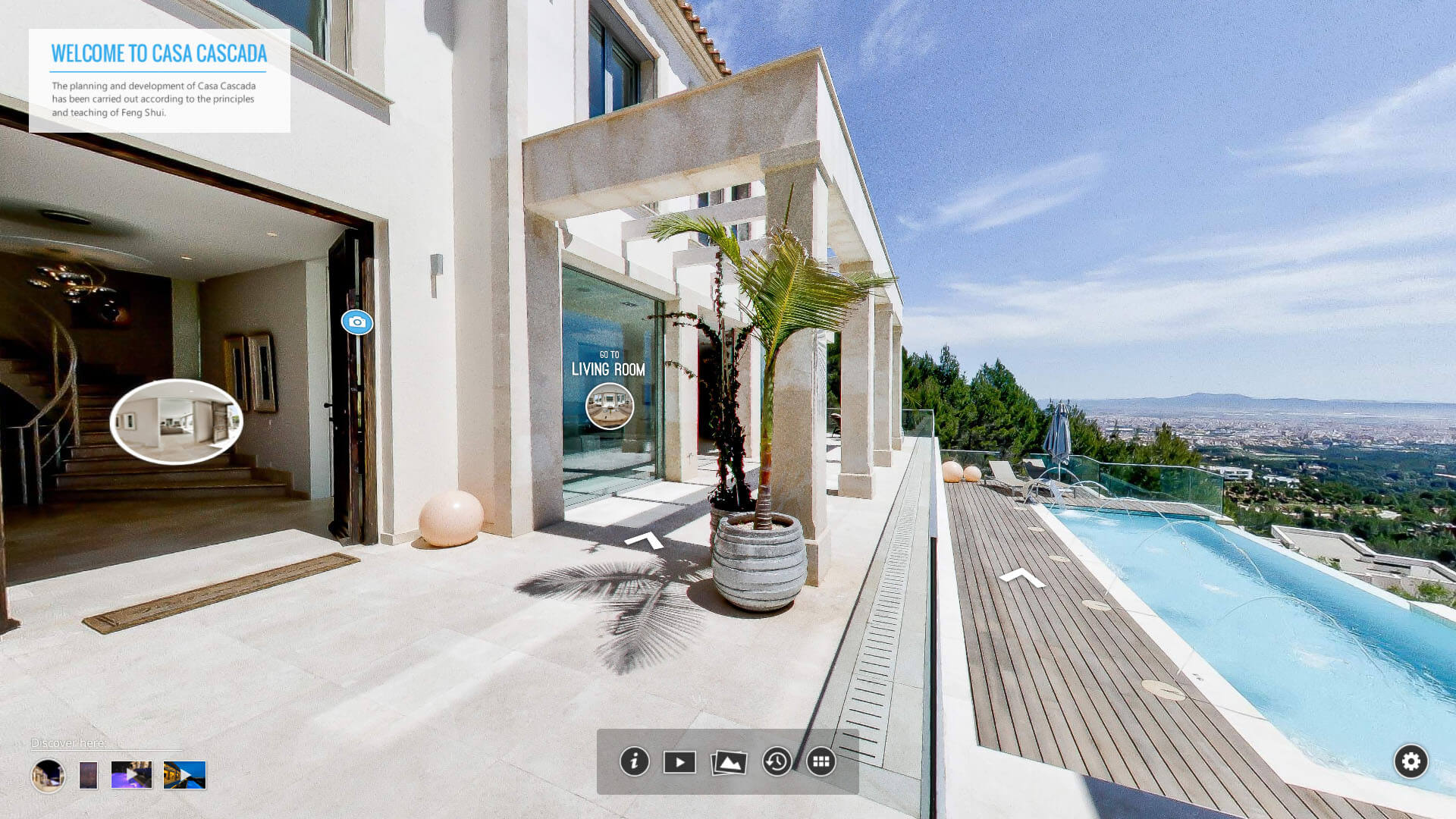
Luxury Institute Real Estate insights extend into digital transformation. Affluent buyers increasingly use virtual tours, blockchain-based contracts, and AI-driven property recommendations.
Developers and agencies have responded by creating sophisticated platforms that provide transparency, security, and immersive experiences. The institute’s findings validate that technology adoption is no longer optional; it’s a requirement for attracting modern high-net-worth buyers.
How Technology Enhances Luxury Institute Real Estate
Technology plays a pivotal role in transforming luxury real estate.
First, virtual and augmented reality tools enable potential buyers to experience properties remotely, a key trend accelerated by global mobility restrictions. Second, data analytics allow developers to forecast demand, optimize pricing, and personalize marketing campaigns. Third, blockchain technology introduces transparency and efficiency in property transactions, addressing concerns of trust and security among wealthy investors.
The Luxury Institute highlights that HNWIs value time, privacy, and efficiency. Thus, real estate firms that implement cutting-edge technologies not only meet these expectations but also create a competitive advantage in the marketplace.
Practical Use Cases for Luxury Institute Real Estate
- Developers Building Ultra-Luxury Condominiums: By leveraging Luxury Institute insights, developers can create residences that balance architectural grandeur with consumer-centric amenities.
- Investors Seeking Stable High-End Assets: The institute’s global research helps investors identify prime markets and resilient asset classes within luxury real estate.
- Brokers Working with Affluent Clients: Real estate professionals use institute findings to refine client engagement, focusing on trust, transparency, and personalization.
- Global Buyers Exploring New Markets: Cross-border wealthy investors rely on insights into cultural and market-specific preferences to guide property acquisitions abroad.
- Architects and Designers Innovating Luxury Spaces: Creative teams integrate sustainability and technology in response to institute-driven data, ensuring long-term relevance.
These cases show how different industry players apply Luxury Institute Real Estate insights to solve practical challenges and meet the evolving expectations of affluent clients.
Why Luxury Institute Real Estate Matters in Today’s Market
In today’s market, luxury real estate goes beyond price—it represents lifestyle, wellness, and identity. Affluent buyers are increasingly discerning, valuing sustainability, wellness, privacy, and personalization.
Luxury Institute Real Estate matters because it equips stakeholders with the intelligence to anticipate and adapt to these changing values. Whether it’s building eco-conscious villas, offering digital-first experiences, or creating branded communities, the institute’s guidance ensures relevance and success in the high-end property sector.
Frequently Asked Questions
1. What is Luxury Institute Real Estate?
Luxury Institute Real Estate refers to the application of insights and research from the Luxury Institute to the global high-end property sector. It guides developers, investors, and brokers in understanding the preferences of affluent buyers and shaping real estate offerings accordingly.
2. How does Luxury Institute Real Estate benefit developers and investors?
By providing data-driven insights, the Luxury Institute helps developers avoid costly mistakes, tailor properties to client expectations, and ensure long-term value creation. For investors, it highlights which markets and property types are most resilient and attractive to wealthy buyers.
3. What trends are shaping luxury real estate according to the Luxury Institute?
Key trends include sustainability-focused developments, branded residences, smart luxury homes, digital property transactions, and mixed-use luxury communities. These trends align with the evolving values and lifestyles of affluent global buyers.