Selling Luxury Real Estate: Expert Strategies, Technology, and Real-World Insights
Selling luxury real estate is more than a transaction; it’s a highly specialized process that combines market expertise, storytelling, client relationship management, and technology. Unlike traditional property sales, luxury homes appeal to a small, affluent audience with unique expectations. These buyers prioritize exclusivity, lifestyle, and long-term value over price per square foot.
The process requires agents, developers, and investors to understand not just property features but also the psychology of high-net-worth individuals (HNWIs). Success in this space is driven by reputation, trust, and the ability to create experiences rather than simply presenting listings.
Key Characteristics of the Luxury Real Estate Market
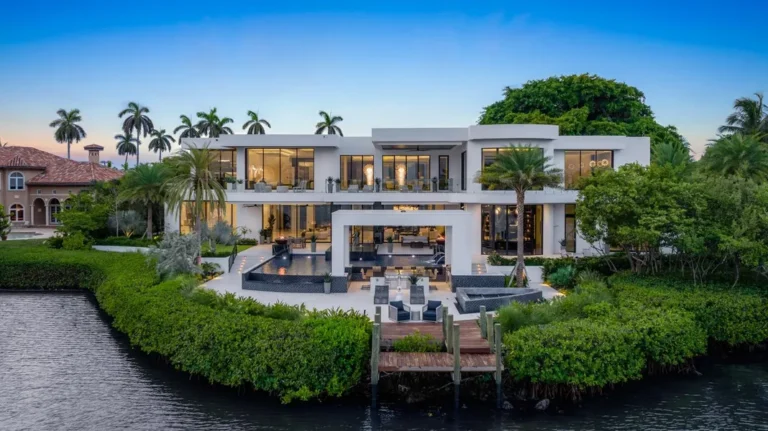
The luxury real estate market is defined by several distinguishing traits that separate it from traditional housing. Properties are often located in prestigious neighborhoods, designed with architectural uniqueness, and equipped with high-end finishes and amenities. However, what truly defines luxury real estate is its scarcity, exclusivity, and ability to deliver lifestyle aspirations.
Buyers of luxury properties tend to be global citizens who value privacy, security, and personalization. Selling to this audience requires not just market knowledge but also cultural sensitivity and the ability to navigate international buyer expectations. For example, a luxury villa in Bali may appeal to European investors, while a penthouse in New York attracts interest from Middle Eastern buyers.
The Role of Storytelling in Selling Luxury Real Estate
Luxury buyers don’t just purchase properties; they invest in stories. A beachfront mansion is not merely a home but a symbol of status, relaxation, and exclusivity. Successful agents and developers use storytelling to highlight the unique lifestyle a property offers, whether it’s the serenity of a mountain retreat, the vibrancy of an urban penthouse, or the prestige of a historic estate.
Storytelling involves presenting more than square footage or amenities. It means creating an emotional connection that resonates with buyers’ aspirations. By weaving narratives around architecture, history, and lifestyle, sellers can transform a property into a once-in-a-lifetime opportunity.
The Impact of Technology on Selling Luxury Real Estate
Technology has transformed the luxury real estate market, enhancing how properties are marketed and experienced.
One of the most significant advancements is virtual reality (VR) and augmented reality (AR). Affluent buyers, often located overseas, can explore properties in detail through immersive digital tours. This technology allows potential clients to visualize themselves in the space without physical travel.
Another important tool is data-driven marketing. With advanced analytics, sellers can identify and target the right audience with precision, ensuring properties reach serious buyers rather than general audiences. Blockchain-based smart contracts also provide transparency, security, and efficiency in high-value transactions, addressing concerns about trust and fraud.
These tools empower sellers to not only reach a global audience but also provide an experience that matches the expectations of today’s affluent buyers.
Real-World Examples of Selling Luxury Real Estate
Example 1: Virtual Luxury Penthouse Tours

In New York City, real estate agencies have embraced VR tours to market multi-million-dollar penthouses. Since many buyers are international, VR technology helps them explore properties remotely. These tours allow clients to view layouts, test lighting, and even simulate furniture placement.
This innovation demonstrates how selling luxury real estate requires more than open houses; it requires creating global access to exclusive spaces.
Example 2: Eco-Friendly Luxury Villas
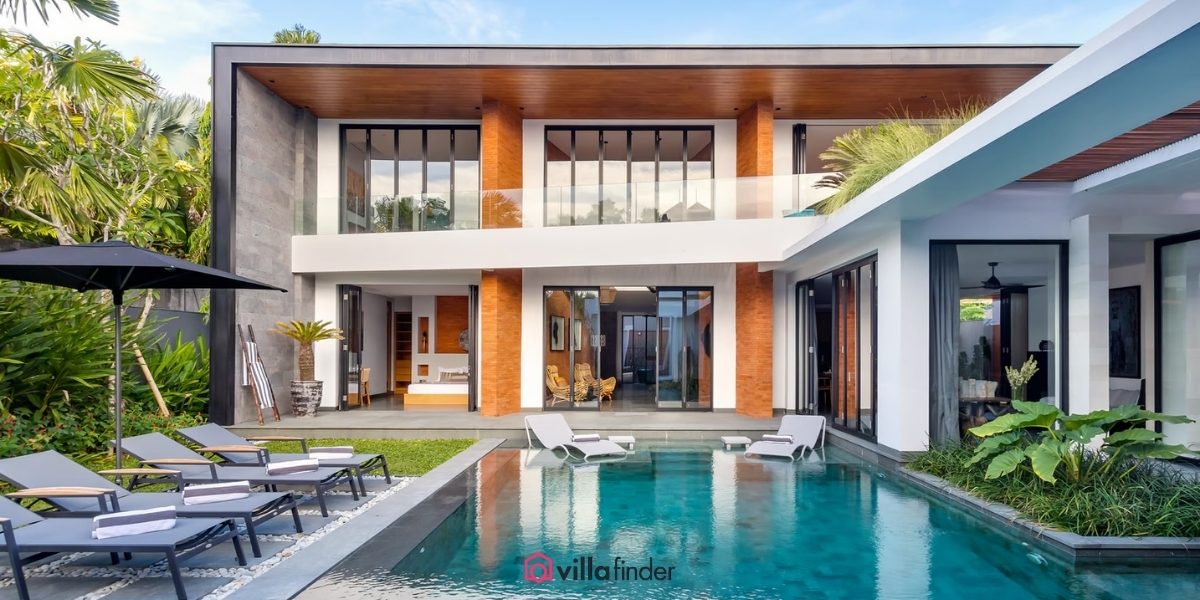
As sustainability becomes a defining trend, developers in Costa Rica and Bali market eco-luxury villas designed with renewable energy and environmentally friendly materials. These properties appeal to wealthy buyers who value both luxury and ecological responsibility.
Marketing these villas involves highlighting not just architectural beauty but also the lifestyle benefits of sustainability. It’s a powerful example of how storytelling and values intersect in selling luxury real estate.
Example 3: Branded Residences with Hospitality Services

Luxury real estate developers have partnered with global hospitality brands like The Ritz-Carlton and Four Seasons to create branded residences. These properties come with hotel-level services such as concierge, private chefs, and exclusive access to amenities.
Selling these residences involves more than promoting square footage; it requires demonstrating the prestige and lifestyle of aligning with an internationally recognized luxury brand.
Example 4: Private Islands as Investment Assets

Selling private islands represents one of the most exclusive segments of luxury real estate. These properties appeal to UHNWIs seeking ultimate privacy and status.
Marketing involves not just highlighting physical features but also crafting a narrative of exclusivity, seclusion, and freedom. It showcases how luxury real estate sales are built on aspiration and identity.
Example 5: Digital Platforms for Global Buyers
Platforms specializing in luxury real estate now use artificial intelligence to match buyers with properties based on lifestyle preferences. These platforms integrate data analytics, virtual tours, and secure digital transactions, providing a seamless experience for global buyers.
This example highlights how digital transformation is central to selling luxury real estate in today’s interconnected world.
Benefits of Using Technology in Selling Luxury Real Estate
The use of technology provides several clear benefits in the luxury property market.
- Global Accessibility: VR tours and digital platforms allow international buyers to view properties without traveling.
- Personalized Marketing: Data-driven insights help sellers tailor property presentations to buyer preferences.
- Enhanced Trust: Blockchain ensures secure, transparent transactions that build confidence among wealthy investors.
- Time Efficiency: High-net-worth buyers save time by exploring curated properties digitally before committing to in-person visits.
- Stronger Buyer Experience: Interactive tools create a more immersive and engaging journey, aligning with luxury buyers’ expectations.
These benefits demonstrate how technology is not optional but essential for success in the competitive luxury real estate market.
Practical Use Cases in Selling Luxury Real Estate
- International Investor Engagement: Technology allows sellers to connect with investors across continents, opening new opportunities.
- Niche Lifestyle Marketing: Sellers can highlight wellness-focused, eco-friendly, or branded lifestyle experiences to attract targeted buyers.
- Cultural Sensitivity in Sales: Luxury Institute insights guide sellers to adapt messaging based on the cultural nuances of international clients.
- Exclusive Event Marketing: Hosting private showings, yacht events, or curated experiences elevates the property’s exclusivity.
- Digital-First Property Campaigns: Sellers leverage AI and data to create global campaigns that cut through market noise.
Each use case demonstrates how selling luxury real estate is about solving client problems, creating experiences, and providing unmatched value.
Why Selling Luxury Real Estate Matters Today
The luxury real estate market continues to thrive despite economic fluctuations because affluent buyers see property as both a lifestyle asset and a wealth preservation tool. Selling luxury real estate matters because it requires a fusion of tradition and innovation, personal relationships built on trust, combined with digital transformation.
In today’s competitive environment, success is defined not just by closing deals but by building reputations, creating long-term client relationships, and delivering unparalleled experiences.
Frequently Asked Questions
1. What makes selling luxury real estate different from traditional property sales?
Luxury real estate sales require a focus on exclusivity, lifestyle, and trust. Unlike traditional properties, they appeal to a niche audience of affluent buyers who expect personalized services and experiences.
2. How does technology help in selling luxury real estate?
Technology enables global reach through virtual tours, secure blockchain transactions, and AI-driven marketing. These tools save time, build trust, and enhance buyer experiences.
3. What strategies work best for selling luxury real estate?
Successful strategies include storytelling, leveraging branded residences, hosting exclusive events, and using technology to connect with international buyers. Sellers must focus on building trust and offering experiences beyond traditional marketing.